IS
THERE ANY EVIDENCE OF SUPERIORITY BETWEEN RETROPUBIC, LAPAROSCOPIC OR
ROBOT-ASSISTED RADICAL PROSTATECTOMY?
(
Download pdf )
FREDERICO FERRONHA, FORTUNATO BARROS, VICTOR VAZ SANTOS, VINCENT RAVERY, VINCENT DELMAS
Section of Urology, Sao Jose Hospital, CHLC, Lisboa, Portugal and Section of Urology, Bichat Hospital, Paris, France
Review Article
Vol. 37 (2): 146-160, March - April, 2011
doi: 10.1590/S1677-55382011000200002
ABSTRACT
Purpose:
To compare the perioperative, short-term and long-term postoperative results
of radical retropubic prostatectomy (RRP), laparoscopic radical prostatectomy
(LRP) and robotic assisted laparoscopic prostatectomy (RALP) in the most
recent studies evaluable.
Materials and Methods: Using PubMed we have
undertaken a search based on references from major and recent articles
with considerable sample sizes.
Results: The operative blood loss and the
risk of transfusion were lower in the laparoscopic and robotic-assisted
approaches. The surgical duration was shorter in the open and robotic
group. Regarding the positive margins, continence and potency no substantial
differences between the RRP, LRP, and RALP were found.
Conclusions: Our results suggest that no
one surgical approach is superior in terms of functional and early oncologic
outcomes.
Potential advantages of any surgical approach have to be confirmed through
longer-term follow-up and adequately designed clinical studies.
Key
words: retropubic prostatectomy; open prostatectomy; laparoscopic
prostatectomy; robotic prostatectomy; outcomes
Int Braz J Urol. 2011; 37: 146-60
INTRODUCTION
Improvements
in the knowledge of the anatomy of Santorini’s dorsal venous complex,
the neurovascular bundle and the striated urethral sphincter have allowed
significant updates to surgical technique and subsequently to the standardization
of the anatomic radical retropubic prostatectomy (RRP), as described by
Walsh in 1982 (1,2). Many other important contributions have provided,
by detailed anatomical studies, the optimization of the surgical technique,
with the purpose of reducing short-term and long-term complications (3-10).
Regardless of the vital importance of cancer control, patients are frequently
concerned with any negative effects on urinary continence and sexual potency
after surgery. Any effort to reduce these two important functional side-
effects is a crucial goal for treatment innovations. The innovation of
RRP has the potential to improve these side-effects.
Therefore, there is a growing interest in
the development and improvement of minimally invasive approaches, to maintain
the oncologic quality of care as well as to reduce the effect of treatments
on patients’ quality of life. Minimally invasive surgery (MIS) is
a term which includes a variety of procedures that prefer closed or local
procedures with “less trauma” to open surgery. The classification
of MIS is being constantly updated to include surgical techniques which
allow reduced damage, decreased morbidity, less postoperative pain, shorter
hospital stays and better cosmetics in conjunction with comparable diagnostic
accuracy and therapeutic outcome to open surgery. As a result, laparoscopy
and robotics have been widely used in urology for the treatment of prostate
cancer particularly in recent years. In 1992 laparoscopic radical prostatectomy
(LRP) was proposed by Schuessler et al. (11) but only standardized by
Gaston in 1997. Some centers in Europe developed LRP, a technically demanding
procedure with a significant learning curve and apparently good oncologic
and functional results, after proper training (12-14).
In 2000 Binder and Kramer (15) reported
the first LRP assisted by a robotic master-slave system (Da Vinci, Intuitive
Surgical, Sunnyvale, CA.) and Menon et al. (16) standardized the robotic
assisted laparoscopic prostatectomy (RALP) technique. Since then there
has been increasing popularity of this new technology and several series
have been published, with a significant contribution to the widespread
diffusion of this approach (17,18). RALP offers many benefits reducing
the difficulty involved in performing complex laparoscopic urologic procedures,
particularly for non-laparoscopic surgeons (19,20). Therefore, its application
might already yield a real advantage by shortening learning curves compared
to conventional laparoscopy (21).
Despite the broad diffusion of LRP and RALP
in recent years, only a few studies comparing the results of the new approaches
to the classical retropubic technique are currently available. To date
no randomized trials, to our knowledge, have been undertaken. MIS continues
to evolve, however, further evaluation is required in order to confirm
and validate the published reports (22). Meta-analyses allow for the pooling
and quantification of results from different studies. As a result, we
performed a systematic review to compare perioperative, cancer control,
urinary continence, and sexual potency outcomes of the latest studies
evaluating the three surgical techniques.
MATERIAL AND METHODS
Search Strategy
A
search was conducted in October 2009 using Pub Med (of National Library
of Medicine and the National Institutes of Health, including the MEDLINE
database) from 2000 to 2009. We also performed additional searches based
on references from relevant review articles both in English and in French.
However, a special emphasis was placed on the latest publications.
We used citations and combinations of the
terms “prostatectomy” and “outcome”, key words
as “open”, “robotic”, “laparoscopic”,
“continence” and “potency”. We simply retrieved
publications that referenced cancer control outcomes (i.e., pT2, pT3,
positive margins, and localized disease) and functional outcomes as urinary
continence or sexual potency and only included studies with a minimum
sample size of 60 patients. Articles published only as abstracts and reports
from meetings were not included in the review.
The authors independently reviewed the records
in order to select the papers pertinent to the subject of the review.
Outcomes were tabulated and analyzed from the resulting articles. Comparative
and non-comparative studies were included.
Study Selection
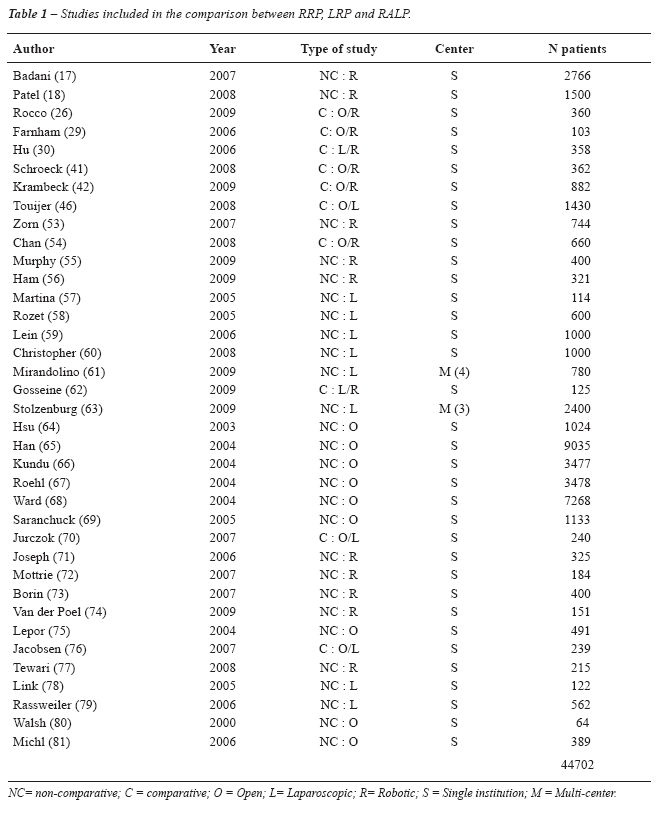
After initial screening of inappropriate abstracts, the reference search identified 52 publications with major records, which we then studied in detail for content relevant to this review. Thirty-seven reports were identified (44702 patients) which had the latest pertinent results and were therefore suitable for data comparison (Table-1).
PERIOPERATIVE OUTCOMES
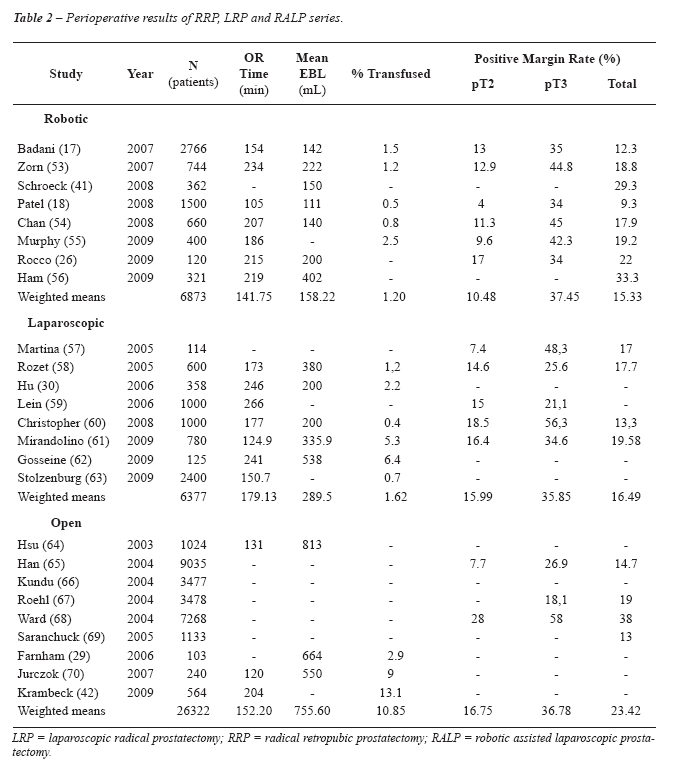
(Table-2)
Operative Length
The
evaluation of the operative time in different and heterogenic series is
very complicated due to discrepancies in reporting this data to include
set-up and pelvic lymph node dissection, especially when reporting on
console docking time which often is not mentioned in the studies or not
included in the overall operative time and consequently leading to potential
bias. Contrary to what was initially thought, open radical prostatectomy
(RP) surgery was not in our review the one with the lowest operative duration
(10 minutes more than RALP). This might be partially explained by the
small number of studies of open RP with the variable time, particularly
in the latest and largest series. In fact, there has been a lack of studies
of open RP since the beginning of this decade and most of the numbers
of the last reports came from comparative and retrospective studies. Nowadays,
the institutions and surgeons with huge numbers in RRP do not report their
updated series. However, in the randomized clinical trial of Guazzoni
et al. (23) on level of evidence 1b, the operative time was slightly longer
in LRP than in open RP. Rozet et al. (24) conducted a comparative study
of robotic versus pure laparoscopic radical prostatectomy and showed that
there was no significant difference in median operative time between the
groups in centers with substantial laparoscopic experience.
We noticed in the different studies of robotic
or laparoscopic interventions a decreasing mean surgical time from the
first cases particularly in the 2009 series Patel et al. (18), evaluating
a single-surgeon’s experience of 1500 consecutive RALPs, recently
reported a decrease in the duration from 120 min. in the first 300 cases
to 105 min in the last 300 patients of the series. This was in agreement
with the review conducted by Ficarra et al. (25), which showed that RALP
is more time-consuming than RRP in the earlier phase of the learning curve,
but that such differences disappeared with a larger robotic cohort of
cases.
Blood Loss and Transfusion
After comparing the blood loss and transfusion rate it seems that open RP has a higher estimated blood loss and subsequently a greater need for transfusion. Beside the fact that most of the last series of RRP do not include these two variables, the practice behavior of some surgeons can diverge widely, as well as the absolute indications for a blood transfusion. This means that in some institutions the need for blood transfusion can depend on predetermined hemoglobin levels alone, others only when patients are symptomatic and others still as standardized protocol. Thus, a comparison between different studies might be biased essentially by practice patterns. It has been hypothesized to be a hallmark advantage of pneumoperitoneum laparoscopy and tight haemostatic control as most intraoperative blood loss originates from the venous sinuses, the tampon effect created by pneumoperitoneum helps to reduced blood loss, as well the early identification and meticulous ligation of vessels facilitates the limitation of blood loss. Guazzoni et al. (23) demonstrated lower blood loss and transfusion rates in the patients randomized to LRP (level of evidence: 1b). In Rocco et al. (26) comparison analysis showed that the mean blood loss during RALP was significantly lower than in RRP (200 vs. 800 mL; P < 0.001). The cumulative analysis of Ficarra et al. (25) showed that blood loss and transfusion rates were significantly lower in the patients undergoing LRP. The review of Parsons et al. (27) showed that the laparoscopic/robotic-assisted prostatectomy group was associated with significantly less operative blood loss, a 77% decreased risk of perioperative transfusion and considerably decreased incidence of perioperative transfusion compared to the open RP. According to Tewari et al. (28) and Farnham et al. (29) and like pure LRP, RALP showed considerably less blood loss and lower transfusion rates compared to RRP (level of evidence: 2b). Blood loss and transfusion rates in the LRP and RALP series were overlapping, according to Hu et al. (30) On the other hand, Lepor (31) compared the rate of allogeneic blood transfusion reported by experts performing open and laparoscopic surgery in institutions of reference and concluded that there seem to be no clinically significant differences between transfusion rates among expert surgeons performing open versus LRP.
SURGICAL MARGIN STATUS
The most important objective of radical prostatectomy is the oncologic cure (31). The great majority of biochemical recurrences will develop within the first 5 years after surgery (32). As this type of cancer is usually a slow growing disease it will take many years before the true impact of radical prostatectomy on cancer control is known. The positive surgical margins (PSM) percentage after RP is an independent predictive factor of biochemical recurrence, local recurrence and the development of distant metastasis especially in patients with extracapsular extension and high-grade disease (33). Hence, the PSM is one of the major outcomes to be evaluated in any surgical treatment proposed for prostate cancer. However, it is important to recognize that a PSM does not always indicate the presence of residual disease or that a negative margin assumes total eradication of the disease (34). Positive margin rate depends not only on the surgical technique but also on different factors such as the pathologist’s criteria (35), patient selection (36), the period in which the surgery took place, and whether the margin status is also based on additional tissue sampling (37). For that reason, assessment of positive margin rates between the different techniques of radical prostatectomy should theoretically only compare cases from the same period and with matching criteria. Several studies such as Atug et al. (38) and Patel et al. (39) showed that surgeon’s experience and learning curve could affect and predict the oncologic outcome after surgery, by lowering PSM percentages with increased surgeon practice. However, a recent study by Shah et al. (40) suggests that an excellent oncologic outcome can be obtained during the learning curve. Positive margin status should also be distributed according to its pathologically stage: organ confined (pT2) versus those with extracapsular extension (pT3). Thus, a positive margin in men with pT2 disease is most likely attributable to a breach of technique from an inadvertent capsular incision. The results are conflicting for the comparison of PSM rates among the different surgical techniques (open, laparoscopic and robotic). In Parsons et al. (27) review of comparative studies showed no significant differences in overall risk or incidence of PSM between the three approaches and tumor stage. Similarly, Schroek et al. (41) and Krambeck et al. (42) found no significant difference in PSM rates between RALP and RRP and no considerable difference in the risk of prostate-specific antigen (PSA) recurrence after adjusting for clinical and pathological variables. A paper by Hu et al. (43) in 2008 compared open RP and MIS (pure laparoscopic or robotic assisted) by extracting the information directly from Medicare database, eliminating selection bias, between the years 2003 and 2005. The outcomes included salvage treatments and complications. In this publication, disease control was established by checking the need for secondary cancer treatments (salvage radiation therapy or adjuvant hormonal therapy) after one year of follow-up. Men undergoing MIS had a dramatic increase in secondary salvage cancer treatments for presumed failure to control the disease. Frota et al. (44) in a comparative study also indicated a similar oncologic outcome for the different techniques. In contrast with these results, Smith et al. (45) reported a lower overall incidence of PSM after RALP than RRP, 15% and 35%, respectively. The incidence of PSM rate according to pathological stage was also higher in the open series than in the RALP groups (in pT2 tumors, 9.4% for RALP vs. 24.1% for RRP, in pT3 tumors, 50% for RALP vs. 60% for RRP). Likewise, in a cumulative analysis of positive surgical margins, Ficarra et al. (25) showed a statistically significant difference in favor of RALP over RRP (relative risk 1.58, 95% CI 1.29–1.94; P < 0.001) but no statistically significant variation was found when the analysis was limited to only those patients with pT2 prostate cancer.
FUNCTIONAL OUTCOMES
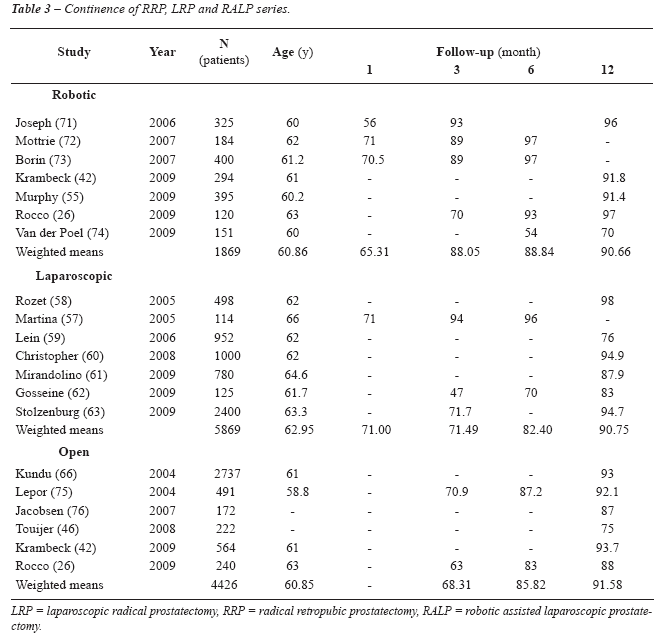
Urinary Continence (Table-3)
Continence is defined using many different definitions, leading to a lack of standardized criteria of continence, restricting the matching of continence rates between different surgical approaches. Another limitation is the availability of short and long-term follow-up in the investigations and variation of data collection methods. In the evaluation of continence we might use a pad test, bother due to incontinence or physical examination. Although incontinence post-radical prostatectomy should be measured with self-administered disease-specific quality-of-life instruments, the questionnaire capturing pad use, bother and degree of incontinence raises questions about patients’ global perceptions of continence after open radical prostatectomy. Since men with total control or occasional dribbling, men requiring no pads or a single pad over a 24-hour interval, and men with none or a low level of inconvenience due to incontinence, consistently considered themselves continent, thereby legitimizing these definitions of continence after radical prostatectomy. In this review, the definition of continence-adopted to calculate the outcomes, when more than one definition was available in the study, was the use of no absorbent pads or the use of one pad only for security. Likewise, the heterogeneous follow-up and the different data make it even harder to compare the studies. Our comparison between studies revealed a continence rate in the 6-month and the first year that was virtually equal between the three different approaches but with a slight advantage for the RRP (91.6%). In the short-term follow-up the RALP group presented a quicker improvement of continence with 88% as opposed to 71% and 68% of LRP and RRP, respectively. Age appears to have a negative impact on continence and the open RP group, which presents the best outcome after the first year of follow-up, has the lowest mean age (60.85 years). We should also take into consideration the fact that this comparison is probably biased by an enormous lack of data from the first trimester, especially in the open RP group. Tewari et al. (28) in a non-randomized comparative study have also suggested that RALP presented earlier continence recovery than RRP. Similarly, RALP provided a significantly better continence outcome than RRP in a matched-pair analysis by Rocco et al. (26) In contradiction to the prior outcomes, several studies such as Krambeck et al. (42) have shown equivalent continence rates for RRP 93.7%, and RALP 91.8%, at the 1 year follow-up (P = 0.344). The paper by Touijer et al. (46), showed a statistically significant difference in favor of RRP; patients undergoing LRP had a 2-fold higher risk of being incontinent. However, a cumulative analysis by Ficarra et al. (25) suggests that the continence rates after RRP or LRP are similar. Comparing LRP and RALP a paper by Joseph et al. (47) also did not find differences in continence rates in a follow-up of 6-month after surgery. Finally, Parsons et al. (27) showed no significant difference between LRP or RALP and RRP (relative risk 1.07, 95% CI 0.75 - 1.5, P = 0.70; relative difference 0.03, 95% CI - 0.06 to 0.12, P = 0.49), after having analyzed urinary continence rates within a 1 year follow-up in four comparative studies. Nevertheless, in general, very little data on continence is available in studies comparing RALP to LRP or to RRP. Expressive conclusions on whether any particular technique is better in achieving continence are unfeasible. Fortunately, the vast majority of men reach continence within 1 year of the surgical procedure (48).
Potency
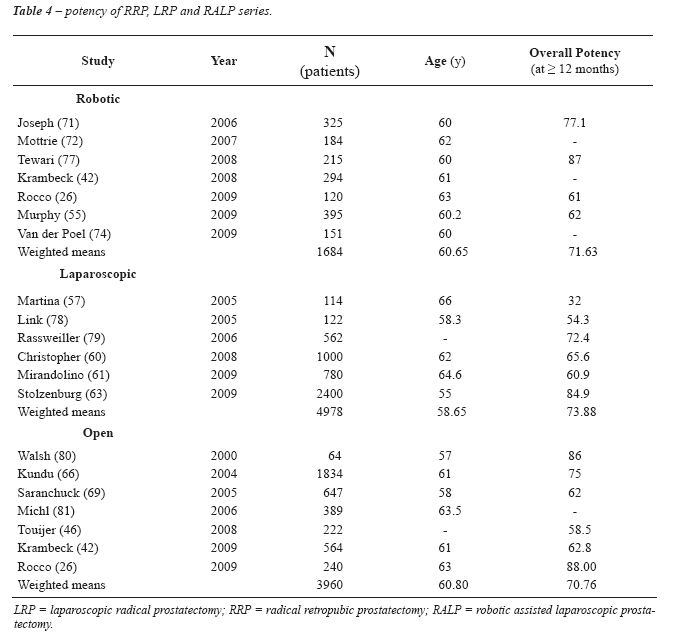
(Table-4)
Potency is one of the most complex and important outcomes to compare after RP. Similar to continence, it has no clear definition but is commonly accepted as the capability to achieve a spontaneous erection and/or maintain an erection adequate for intercourse. However, as there is a lack of standardized assessment of postoperative potency the researchers use different ways to assess potency. Most studies used some form of questionnaire (International Index of Erectile Function, Expanded Prostate Cancer Index Composite) as well as telephone or personal interviews. Without homogeneous methods for defining and evaluating erectile sexual function and sexual satisfaction, comparison of potency rates in the different studies will not determine which surgical technique accomplishes superior potency outcomes. The probability of recovered potency is time dependent (49), so it is important to have a minimum follow- up period of 12 to 18 months. Recent studies have suggested that erectile function continues to improve in some men years after radical prostatectomy (50). Most of the studies used in this review do not have such a long follow-up period and commonly they record the rates for the 12-month period after the surgery, although they frequently lack information regarding the short-term period (1-3 months). Consequently, we could only analyze the state of potency rates in the medium term (1 year). For post-operative potency, numerous factors came into play such as age, baseline potency, baseline sexual activity, the stability of any relationship, cardio-vascular comorbidities and the use of medications. Only the age factor was considered in the majority of the studies. The other significant factors, such as partner relationships were not commonly mentioned: a patient who had regained his erection might not have a sexual partner and as a result will not answer a questionnaire or an interview as regards whether or not they have had intercourse after prostatectomy. Younger patients regained their potency better, as showed in the laparoscopic group with a medium age of 58 years and a 73.88% potency rate after 12 months. Besides, the type of prostatectomy (open, laparoscopic or robotic) that is performed, the type of nerve-sparing procedure, surgical technique used during dissection (cautery-free technique) and the surgeon’s experience also contribute to the final potency status. Some of the studies analyzed specified whether they performed nerve-sparing technique, if it was bilateral or only unilateral and rates of potency for each subgroup. Although bilateral nerve-sparing procedures show, in general, better functional outcomes than those with only unilateral or nerve-excising procedures, we chose to evaluate only the overall potency rate as most of the studies, especially in the open PR group, lacked this information. We reached a mean overall potency rate that was very close between the three different approaches in the range of 71-74%, which represents a very interesting outcome for the population studied. Whether there is difference in the potency rates after RRP, LRP or RALP is still not clear. We observed very similar results, nevertheless different studies have reported contradictory conclusions. Krambeck et al. (42) reported comparable potency rates between RALP and RRP after 1 year of follow-up (RALP 70.0%, RRP 62.8%, P = 0.081). Likewise, Frota et al. (44) concluded that there were no comparative studies showing superior results in terms of potency from one technique to the others. Roumeguere et al. (51) also reported comparable potency rates of open versus laparoscopic radical prostatectomy after 1 year, whereas Namiki et al. (52) reported delayed return of sexual function with laparoscopic radical prostatectomy. Other studies’ results, such as those by Rocco et al. (26), had opposite findings and showed higher potency rates after RALP than RRP at 3, 6 and 12 months (RALP 31%, 43% and 61%, respectively; RRP 18%, 31% and 41%, respectively; P = 0.006, 0.045 and 0.003, respectively). Likewise, Tewari et al. (28) suggested earlier potency recovery after RALP rather than RRP.
CONCLUSION
According to the operative blood loss and transfusion outcomes, it appears that the results were better in the laparoscopic and robotic-assisted approaches, though in terms of surgical duration outcome, the open and robotic groups seem to have shorter times. Regarding the positive margins, continence and potency, it appears that there are no substantial differences between the three variants. Thus, it was not possible to confirm the superiority of any one surgical approach in terms of functional and early oncologic outcomes even though it was not subject to statistical analysis. Although it was not the goal of this work, many other outcomes (tissue damage, in-hospital stay, costs, health related quality of life, recurrence and cancer-specific survival rates) can and should be assessed in the future when comparing these techniques, taking into account that most of the time these records can be very complex or extremely subjective for scrutiny. The lack of prospective randomized studies precludes definitive conclusions. Hence, the ideal study design for comparing the three approaches would be a trial in which patients are randomized to these techniques, applying the same clinical pathways and methodology for assessing outcomes performed by surgeons with the same level of skill and experience. One thing is for certain: the selection of the best surgeon, rather than the surgical approach is the most crucial aspect.
CONFLICT OF INTEREST
None declared.
REFERENCES
- Reiner WG, Walsh PC.: An anatomical approach to the surgical management of the dorsal vein and Santorini’s plexus during radical retropubic surgery. J Urol. 1979; 121: 198-200.
- Walsh PC, Donker PJ: Impotence following radical prostatectomy: insight into etiology and prevention. J Urol. 1982; 128: 492-7.
- Myers RP: Improving the exposure of the prostate in radical retropubic prostatectomy: longitudinal bunching of the deep venous plexus. J Urol. 1989; 142: 1282-4.
- Steiner MS, Morton RA, Walsh PC: Impact of anatomical radical prostatectomy on urinary continence. J Urol. 1991; 145: 512-4; discussion 514-5.
- Hollabaugh RS Jr, Dmochowski RR, Kneib TG, Steiner MS: Preservation of putative continence nerves during radical retropubic prostatectomy leads to more rapid return of urinary continence. Urology. 1998; 51: 960-7.
- Steiner MS: Continence-preserving anatomic radical retropubic prostatectomy. Urology. 2000; 55: 427-35.
- Walsh PC, Marschke PL: Intussusception of the reconstructed bladder neck leads to earlier continence after radical prostatectomy. Urology. 2002; 59: 934-8.
- Walsh PC: Radical prostatectomy for localized prostate cancer provides durable cancer control with excellent quality of life: a structured debate. J Urol. 2000; 163: 1802-7.
- Montorsi F, Salonia A, Suardi N, Gallina A, Zanni G, Briganti A, et al.: Improving the preservation of the urethral sphincter and neurovascular bundles during open radical retropubic prostatectomy. Eur Urol. 2005; 48: 938-45.
- Graefen M, Walz J, Huland H: Open retropubic nerve-sparing radical prostatectomy. Eur Urol. 2006; 49: 38-48.
- Schuessler WW, Kavoussi LR, Clayman RV, Vancaille T: Laparoscopic radical prostatectomy: initial case report. J Urol. 1992; 147: 246A.
- Curto F, Benijts J, Pansadoro A, Barmoshe S, Hoepffner JL, Mugnier C, et al.: Nerve sparing laparoscopic radical prostatectomy: our technique. Eur Urol. 2006; 49: 344-52.
- Guillonneau B, Cathelineau X, Barret E, Rozet F, Vallancien G: Laparoscopic radical prostatectomy. Preliminary evaluation after 28 interventions. Presse Med. 1998; 27: 1570-4.
- Bove P, Asimakopoulos AD, Kim FJ, Vespasiani G: Laparoscopic radical prostatectomy: a review. Int Braz J Urol. 2009; 35: 125-37; discussion 137-9.
- Binder J, Kramer W: Robotically-assisted laparoscopic radical prostatectomy. BJU Int. 2001; 87: 408-10.
- Menon M, Tewari A, Peabody JO, Shrivastava A, Kaul S, Bhandari A, et al.: Vattikuti Institute prostatectomy, a technique of robotic radical prostatectomy for management of localized carcinoma of the prostate: experience of over 1100 cases. Urol Clin North Am. 2004; 31: 701-17.
- Badani KK, Kaul S, Menon M: Evolution of robotic radical prostatectomy: assessment after 2766 procedures. Cancer. 2007; 110: 1951-8.
- Patel VR, Palmer KJ, Coughlin G, Samavedi S: Robot-assisted laparoscopic radical prostatectomy: perioperative outcomes of 1500 cases. J Endourol. 2008; 22: 2299-305.
- Ficarra V, Cavalleri S, Novara G, Aragona M, Artibani W: Evidence from robot-assisted laparoscopic radical prostatectomy: a systematic review. Eur Urol. 2007; 51: 45-55; discussion 56.
- Artibani W, Fracalanza S, Cavalleri S, Iafrate M, Aragona M, Novara G, et al.: Learning curve and preliminary experience with da Vinci-assisted laparoscopic radical prostatectomy. Urol Int. 2008; 80: 237-44.
- Colombo JR Jr, Santos B, Hafron J, Gianduzzo T, Haber GP, Kaouk JH: Robotic assisted radical prostatectomy: surgical techniques and outcomes. Int Braz J Urol. 2007; 33: 803-9.
- Rajan P, Turna B: New trends in minimally invasive urological surgery. Int Braz J Urol. 2009; 35: 514-20.
- Guazzoni G, Cestari A, Naspro R, Riva M, Centemero A, Zanoni M, et al.: Intra- and peri-operative outcomes comparing radical retropubic and laparoscopic radical prostatectomy: results from a prospective, randomised, single-surgeon study. Eur Urol. 2006; 50: 98-104.
- Rozet F, Jaffe J, Braud G, Harmon J, Cathelineau X, Barret E, et al.: A direct comparison of robotic assisted versus pure laparoscopic radical prostatectomy: a single institution experience. J Urol. 2007; 178: 478-82.
- Ficarra V, Novara G, Artibani W, Cestari A, Galfano A, Graefen M, et al.: Retropubic, laparoscopic, and robot-assisted radical prostatectomy: a systematic review and cumulative analysis of comparative studies. Eur Urol. 2009; 55: 1037-63.
- Rocco B, Matei DV, Melegari S, Ospina JC, Mazzoleni F, Errico G, et al.: Robotic vs open prostatectomy in a laparoscopically naive centre: a matched-pair analysis. BJU Int. 2009; 104: 991-5.
- Parsons JK, Bennett JL: Outcomes of retropubic, laparoscopic, and robotic-assisted prostatectomy. Urology. 2008; 72: 412-6.
- Tewari A, Srivasatava A, Menon M; Members of the VIP Team: A prospective comparison of radical retropubic and robot-assisted prostatectomy: experience in one institution. BJU Int. 2003; 92: 205-10.
- Farnham SB, Webster TM, Herrell SD, Smith JA Jr: Intraoperative blood loss and transfusion requirements for robotic-assisted radical prostatectomy versus radical retropubic prostatectomy. Urology. 2006; 67: 360-3.
- Hu JC, Nelson RA, Wilson TG, Kawachi MH, Ramin SA, Lau C, Crocitto LE: Perioperative complications of laparoscopic and robotic assisted laparoscopic radical prostatectomy. J Urol. 2006; 175: 541-6; discussion 546.
- Lepor H: Status of radical prostatectomy in 2009: is there medical evidence to justify the robotic approach? Rev Urol. 2009; 11: 61-70.
- Han M, Partin AW, Pound CR, Epstein JI, Walsh PC: Long-term biochemical disease-free and cancer-specific survival following anatomic radical retropubic prostatectomy. The 15-year Johns Hopkins experience. Urol Clin North Am. 2001; 28: 555-65.
- Pfitzenmaier J, Pahernik S, Tremmel T, Haferkamp A, Buse S, Hohenfellner M: Positive surgical margins after radical prostatectomy: do they have an impact on biochemical or clinical progression? BJU Int. 2008; 102: 1413-8.
- Hull GW, Rabbani F, Abbas F, Wheeler TM, Kattan MW, Scardino PT: Cancer control with radical prostatectomy alone in 1,000 consecutive patients. J Urol. 2002; 167: 528-34.
- Epstein JI: Pathologic assessment of the surgical specimen. Urol Clin North Am. 2001; 28: 567-94.
- Shah O, Robbins DA, Melamed J, Lepor H: The New York University nerve sparing algorithm decreases the rate of positive surgical margins following radical retropubic prostatectomy. J Urol. 2003; 169: 2147-52.
- Shah O, Melamed J, Lepor H: Analysis of apical soft tissue margins during radical retropubic prostatectomy. J Urol. 2001; 165: 1943-8; discussion 1948-9.
- Atug F, Castle EP, Srivastav SK, Burgess SV, Thomas R, Davis R: Positive surgical margins in robotic-assisted radical prostatectomy: impact of learning curve on oncologic outcomes. Eur Urol. 2006; 49: 866-71; discussion 871-2.
- Patel VR, Tully AS, Holmes R, Lindsay J: Robotic radical prostatectomy in the community setting--the learning curve and beyond: initial 200 cases. J Urol. 2005; 174: 269-72.
- Shah A, Okotie OT, Zhao L, Pins MR, Bhalani V, Dalton DP: Pathologic outcomes during the learning curve for robotic-assisted laparoscopic radical prostatectomy. Int Braz J Urol. 2008; 34: 159-62; discussion 163.
- Schroeck FR, Sun L, Freedland SJ, Albala DM, Mouraviev V, Polascik TJ, et al.: Comparison of prostate-specific antigen recurrence-free survival in a contemporary cohort of patients undergoing either radical retropubic or robot-assisted laparoscopic radical prostatectomy. BJU Int. 2008; 102: 28-32.
- Krambeck AE, DiMarco DS, Rangel LJ, Bergstralh EJ, Myers RP, Blute ML, et al.: Radical prostatectomy for prostatic adenocarcinoma: a matched comparison of open retropubic and robot-assisted techniques. BJU Int. 2009; 103: 448-53.
- Hu JC, Wang Q, Pashos CL, Lipsitz SR, Keating NL: Utilization and outcomes of minimally invasive radical prostatectomy. J Clin Oncol. 2008; 26: 2278-84.
- Frota R, Turna B, Barros R, Gill IS: Comparison of radical prostatectomy techniques: open, laparoscopic and robotic assisted. Int Braz J Urol. 2008; 34: 259-68; discussion 268-9.
- Smith JA Jr, Herrell SD: Robotic-assisted laparoscopic prostatectomy: do minimally invasive approaches offer significant advantages? J Clin Oncol. 2005; 23: 8170-5.
- Touijer K, Eastham JA, Secin FP, Romero Otero J, Serio A, Stasi J, et al.: Comprehensive prospective comparative analysis of outcomes between open and laparoscopic radical prostatectomy conducted in 2003 to 2005. J Urol. 2008; 179: 1811-7; discussion 1817.
- Joseph JV, Vicente I, Madeb R, Erturk E, Patel HR: Robot-assisted vs pure laparoscopic radical prostatectomy: are there any differences? BJU Int. 2005; 96: 39-42.
- Lepor H, Kaci L: The impact of open radical retropubic prostatectomy on continence and lower urinary tract symptoms: a prospective assessment using validated self-administered outcome instruments. J Urol. 2004; 171: 1216-9.
- Hong EK, Lepor H, McCullough AR: Time dependent patient satisfaction with sildenafil for erectile dysfunction (ED) after nerve-sparing radical retropubic prostatectomy (RRP). Int J Impot Res. 1999; 11(Suppl 1): S15-22.
- Miller DC, Sanda MG, Dunn RL: Long-term outcomes among localized prostate cancer survivors: HRQOL changes 4 to 8 years following brachytherapy, external radiation and radical prostatectomy. J Urol. 2004; 171: 312A.
- Roumeguere T, Bollens R, Vanden Bossche M, Rochet D, Bialek D, Hoffman P, et al.: Radical prostatectomy: a prospective comparison of oncological and functional results between open and laparoscopic approaches. World J Urol. 2003; 20: 360-6.
- Namiki S, Egawa S, Baba S, Terachi T, Usui Y, Terai A, et al.: Recovery of quality of life in year after laparoscopic or retropubic radical prostatectomy: a multi-institutional longitudinal study. Urology. 2005; 65: 517-23.
- Zorn KC, Gofrit ON, Orvieto MA, Mikhail AA, Galocy RM, Shalhav AL, et al.: Da Vinci robot error and failure rates: single institution experience on a single three-arm robot unit of more than 700 consecutive robot-assisted laparoscopic radical prostatectomies. J Endourol. 2007; 21: 1341-4.
- Chan RC, Barocas DA, Chang SS, Herrell SD, Clark PE, Baumgartner R, et al.: Effect of a large prostate gland on open and robotically assisted laparoscopic radical prostatectomy. BJU Int. 2008; 101: 1140-4.
- Murphy DG, Kerger M, Crowe H, Peters JS, Costello AJ: Operative details and oncological and functional outcome of robotic-assisted laparoscopic radical prostatectomy: 400 cases with a minimum of 12 months follow-up. Eur Urol. 2009; 55: 1358-66.
- Ham WS, Park SY, Rha KH, Kim WT, Choi YD: Robotic radical prostatectomy for patients with locally advanced prostate cancer is feasible: results of a single-institution study. J Laparoendosc Adv Surg Tech A. 2009; 19: 329-32.
- Martina GR, Giumelli P, Scuzzarella S, Remotti M, Caruso G, Lovisolo J: Laparoscopic extraperitoneal radical prostatectomy--learning curve of a laparoscopy-naive urologist in a community hospital. Urology. 2005; 65: 959-63.
- Rozet F, Galiano M, Cathelineau X, Barret E, Cathala N, Vallancien G: Extraperitoneal laparoscopic radical prostatectomy: a prospective evaluation of 600 cases. J Urol. 2005; 174: 908-11.
- Lein M, Stibane I, Mansour R, Hege C, Roigas J, Wille A, et al.: Complications, urinary continence, and oncologic outcome of 1000 laparoscopic transperitoneal radical prostatectomies-experience at the Charité Hospital Berlin, Campus Mitte. Eur Urol. 2006; 50: 1278-82; discussion 1283-4.
- Eden CG, Neill MG, Louie-Johnsun MW: The first 1000 cases of laparoscopic radical prostatectomy in the UK: evidence of multiple ‘learning curves’. BJU Int. 2009; 103: 1224-30.
- Mariano MB, Tefilli MV, Fonseca GN, Goldraich IH: Laparoscopic radical prostatectomy: 10 years experience. Int Braz J Urol. 2009; 35: 565-71; discussion 571-2.
- Gosseine PN, Mangin P, Leclers F, Cormier L: Pure laparoscopic versus robotic-assisted laparoscopic radical prostatectomy: comparative study to assess functional urinary outcomes. Prog Urol. 2009; 19: 611-7.
- Stolzenburg JU, Kallidonis P, Minh D, Dietel A, Häfner T, Dimitriou D, et al.: Endoscopic extraperitoneal radical prostatectomy: evolution of the technique and experience with 2400 cases. J Endourol. 2009; 23: 1467-72.
- Hsu EI, Hong EK, Lepor H: Influence of body weight and prostate volume on intraoperative, perioperative, and postoperative outcomes after radical retropubic prostatectomy. Urology. 2003; 61: 601-6.
- Han M, Partin AW, Chan DY, Walsh PC: An evaluation of the decreasing incidence of positive surgical margins in a large retropubic prostatectomy series. J Urol. 2004; 171: 23-6.
- Kundu SD, Roehl KA, Eggener SE, Antenor JA, Han M, Catalona WJ: Potency, continence and complications in 3,477 consecutive radical retropubic prostatectomies. J Urol. 2004; 172: 2227-31.
- Roehl KA, Han M, Ramos CG, Antenor JA, Catalona WJ: Cancer progression and survival rates following anatomical radical retropubic prostatectomy in 3,478 consecutive patients: long-term results. J Urol. 2004; 172: 910-4.
- Ward JF, Zincke H, Bergstralh EJ, Slezak JM, Myers RP, Blute ML: The impact of surgical approach (nerve bundle preservation versus wide local excision) on surgical margins and biochemical recurrence following radical prostatectomy. J Urol. 2004; 172: 1328-32.
- Saranchuk JW, Kattan MW, Elkin E, Touijer AK, Scardino PT, Eastham JA: Achieving optimal outcomes after radical prostatectomy. J Clin Oncol. 2005; 23: 4146-51.
- Jurczok A, Zacharias M, Wagner S, Hamza A, Fornara P: Prospective non-randomized evaluation of four mediators of the systemic response after extraperitoneal laparoscopic and open retropubic radical prostatectomy. BJU Int. 2007; 99: 1461-6.
- Joseph JV, Rosenbaum R, Madeb R, Erturk E, Patel HR: Robotic extraperitoneal radical prostatectomy: an alternative approach. J Urol. 2006; 175: 945-50; discussion 951.
- Mottrie A, Van Migem P, De Naeyer G, Schatteman P, Carpentier P, Fonteyne E: Robot-assisted laparoscopic radical prostatectomy: oncologic and functional results of 184 cases. Eur Urol. 2007; 52: 746-50.
- Borin JF, Skarecky DW, Narula N, Ahlering TE: Impact of urethral stump length on continence and positive surgical margins in robot-assisted laparoscopic prostatectomy. Urology. 2007; 70: 173-7.
- van der Poel HG, de Blok W, Joshi N, van Muilekom E: Preservation of lateral prostatic fascia is associated with urine continence after robotic-assisted prostatectomy. Eur Urol. 2009; 55: 892-900.
- Lepor H, Kaci L: The impact of open radical retropubic prostatectomy on continence and lower urinary tract symptoms: a prospective assessment using validated self-administered outcome instruments. J Urol. 2004; 171: 1216-9.
- Jacobsen NE, Moore KN, Estey E, Voaklander D: Open versus laparoscopic radical prostatectomy: a prospective comparison of postoperative urinary incontinence rates. J Urol. 2007; 177: 615-9.
- Tewari A, Rao S, Martinez-Salamanca JI, Leung R, Ramanathan R, Mandhani A, et al.: Cancer control and the preservation of neurovascular tissue: how to meet competing goals during robotic radical prostatectomy. BJU Int. 2008; 101: 1013-8.
- Link RE, Su LM, Sullivan W, Bhayani SB, Pavlovich CP: Health related quality of life before and after laparoscopic radical prostatectomy. J Urol. 2005; 173: 175-9; discussion 179.
- Rassweiler J, Wagner AA, Moazin M, Gözen AS, Teber D, Frede T, et al.: Anatomic nerve-sparing laparoscopic radical prostatectomy: comparison of retrograde and antegrade techniques. Urology. 2006; 68: 587-91; discussion 591-2.
- Walsh PC, Marschke P, Ricker D, Burnett AL: Patient-reported urinary continence and sexual function after anatomic radical prostatectomy. Urology. 2000; 55: 58-61.
- Michl UH, Friedrich MG, Graefen M, Haese A, Heinzer H, Huland H: Prediction of postoperative sexual function after nerve sparing radical retropubic prostatectomy. J Urol. 2006; 176: 227-31.
____________________
Accepted
after revision:
June 26, 2010
_______________________
Correspondence
address:
Dr. Frederico Ferronha
Serviço de Urologia do Hospital de Sao José
Centro Hospitalar de Lisboa Central
Rua José António Serrano, 1150-199
Lisboa, Portugal
Telephone: + 35 1 91 348-1339
E-mail: f.ferronha@gmail.com
EDITORIAL
COMMENT
Open
radical prostatectomy is the gold standard and most widespread treatment
for clinically localized prostate cancer.
With
wider availability of minimally invasive radical prostatectomy techniques,
there is a debate regarding the standard treatment of the management of
localized prostate cancer.
Because
no prospective, randomized trials comparing the different techniques have
been performed, outcomes must be assessed from published series by centers
that focus on the three techniques.
The
operative blood loss and the risk of transfusion are lower in the laparoscopic
and robotic-assisted approaches. The surgical duration is usually shorter
in the open and robotic group. As regards positive margins, continence
and potency no substantial differences between the techniques were found.
As
the authors concluded perfectly: “The lack of prospective randomized
studies precludes definitive conclusions. Hence, the ideal study design
for comparing the three approaches would be a trial in which patients
are randomized to these techniques, applying the same clinical pathways
and methodology for assessing outcomes performed by surgeons with the
same level of skill and experience. One thing is for certain; the selection
of the best surgeon, rather than the surgical approach is the most crucial
aspect.”
Further
research is needed to examine the specific techniques used by experienced
surgeons that are associated with improved outcomes.
REFERENCES
- Finkelstein J, Eckersberger E, Sadri H, Taneja SS, Lepor H, Djavan B: Open Versus Laparoscopic Versus Robot-Assisted Laparoscopic Prostatectomy: The European and US Experience. Rev Urol. 2010; 12: 35-43.
- Frota R, Turna B, Barros R, Gill IS: Comparison of radical prostatectomy techniques: open, laparoscopic and robotic assisted. Int Braz J Urol. 2008; 34: 259-68; discussion 268-9.
Dr. Mauricio Rubinstein
Federal University of Rio de Janeiro State
Department of Urology
Rua Mariz e Barros, 775 - 1º andar - Urologia
Rio de Janeiro, RJ, 20270-004, Brazil
E-mail: mrubins74@hotmail.com
EDITORIAL COMMENT
The
authors’ endeavor to compare the outcomes of open, laparoscopic
and robot-assisted radical prostatectomy is a challenging one. The results
of this study reveal concerning findings with regards to the quality of
evidence in the literature. A decade after the introduction of robot-assisted
technique of radical prostatectomy, the quality of data is embarrassing
making it almost impossible to draw any conclusions from an extensive
review of publications undertaken by the authors. The call for randomized
controlled trials is justified. However, an even more important topic
must not be overseen: a striking paucity of high quality non randomized
data. The authors acknowledge several difficulties in their study emphasizing
differences in data collection, definition of outcomes and reporting of
those in the literature. Moreover, it is apparent how the reported results
mostly reflect academic, high volume institutions and highly experienced
surgeons and may not be generalized to other settings.
The search for the best approach to radical
prostatectomy must consider several issues including oncologic, functional
and quality of life outcomes as well as surgeon’s expertise, and
the ever more pressing issue of healthcare costs. Obtaining high quality
data with accurate and uniform definitions is of paramount importance
as it allows accurate analysis of the surgeon’s experience and enables
a direct comparison with other settings. Until such data is available,
neither equivalence, nor superiority of one approach over another can
be claimed.
Dr. Matvey
Tsivian
Postdoctoral Associate
Division of Urology
Department of Surgery
Duke University Medical Center
E-mail: matvey.tsivian@duke.edu
Dr. Alexander
Tsivian
Dept. of Urologic Surgery,
Wolfson Medical Center,
Holon, and Sackler Faculty of Medicine,
Tel Aviv University, Tel Aviv, Israel
EDITORIAL COMMENT
By
means of a systematic review of the international literature, the authors
did not find significant differences between the results achieved through
open radical retropubic prostatectomy, pure radical laparoscopic prostatectomy
and the robot-assisted laparoscopic surgery. The differences found in
the details only enhance the importance of the main conclusion - there
are no differences between the three techniques in over 44,000 patients
that were analyzed. Although the robotic technique is in evidence, there
is no solid scientific basis for its alleged superiority, as other have
demonstrated (1).
The great flaw of this paper was not including
perineal surgery in its analysis. The results of the perineal surgery
are competitive in relation to the other techniques and it deserved a
comparison in a systematic review such as this one (2).
The pure laparoscopic surgery and the retropubic
surgery both have high rates of complications, even when performed by
great experts (3). The final truth in the treatment of prostate cancer
is yet to be declared.
REFERENCES
- Kang DC, Hardee MJ, Fesperman SF, Stoffs TL, Dahm P: Low Quality of Evidence for Robot-Assisted Laparoscopic Prostatectomy: Results of a Systematic Review of the Published Literature. Eur Urol. 2010; 26. [Epub ahead of print]
- Gillitzer R, Thomas C, Wiesner C, Jones J, Schmidt F, Hampel C, et al.: Single center comparison of anastomotic strictures after radical perineal and radical retropubic prostatectomy. Urology. 2010; 76: 417-22.
- Rabbani F, Yunis LH, Pinochet R, Nogueira L, Vora KC, Eastham JA, et al.: Comprehensive standardized report of complications of retropubic and laparoscopic radical prostatectomy. Eur Urol. 2010; 57: 371-86.
Dr.
Lisias N. Castilho
Catholic University of Campinas
Campinas, SP, Brazil
E-mail: lisias@dglnet.com.br